

Reading is a muscle
Do you want the gains?

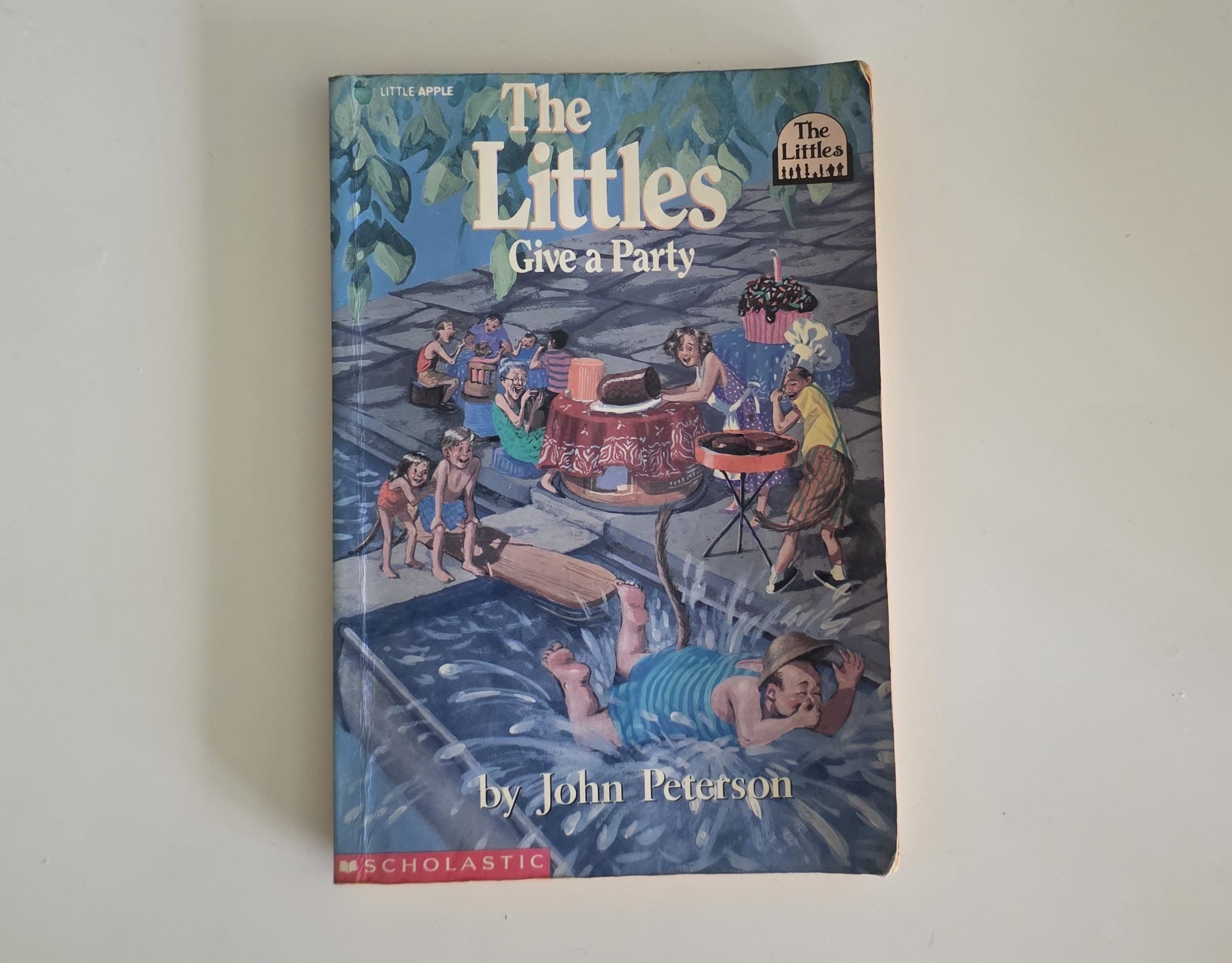
Books have been a strong presence in my life since before I could read. I remember getting my first book from the Scholastic Bookclub when I was in kindergarten or Year 1. It was The Littles give a party by John Peterson. I found the cover so exciting and I couldn’t wait for it to arrive. When it did arrive I realised that my basic reading skills were as useful here as a tea towel mopping up an ocean. I felt deflated that I couldn’t read it but I looked at the cover often and stared at pages and pages filled with words hoping they would spontaneously make sense to me.
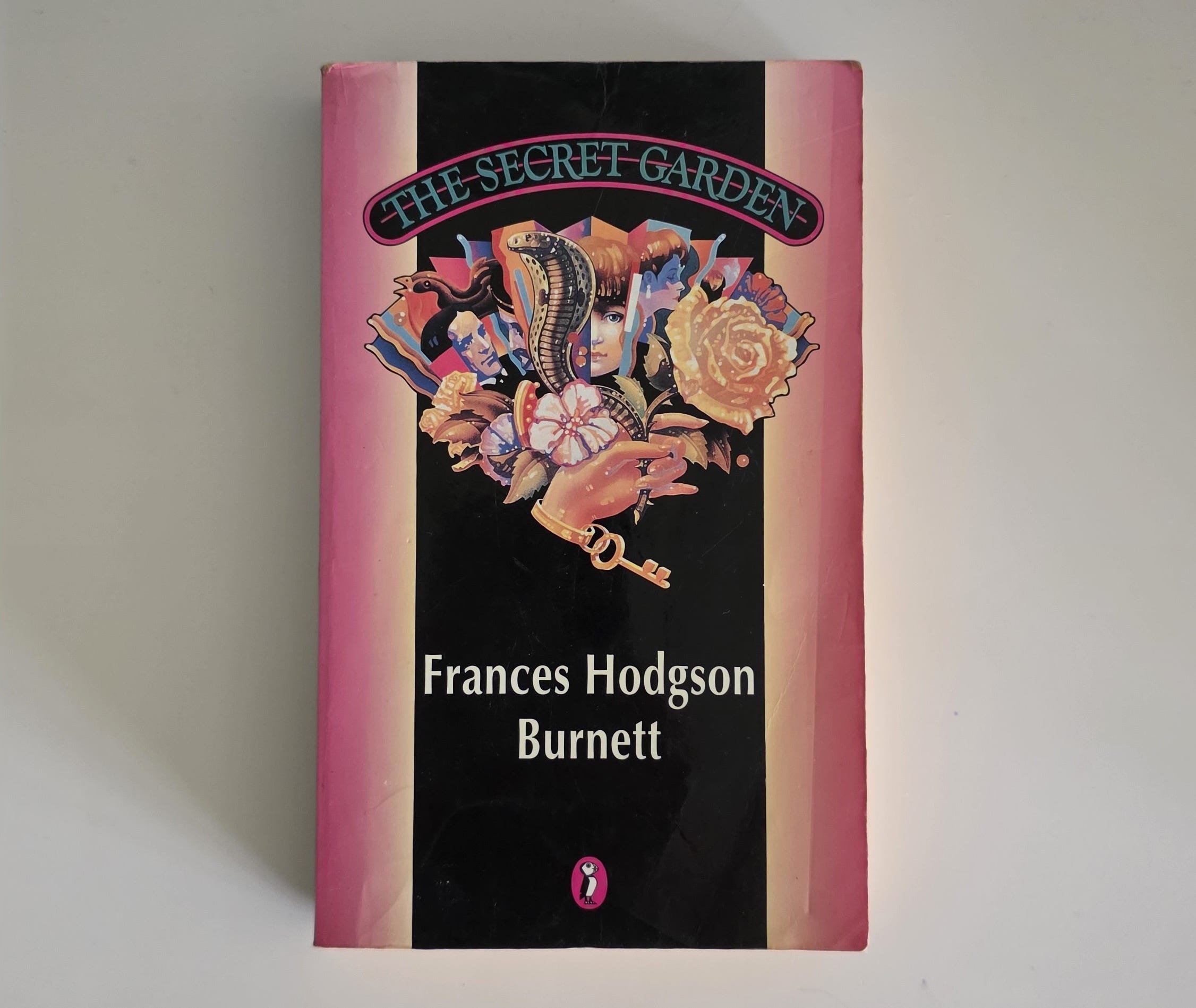
Fast forward a few more years, I went to a theatre production of The Secret Garden. It was magical. Afterwards, I desperately wanted to get something from the merchandise stand. There were hats, shirts, posters, trinkets, and all sorts of fun and shiny things that appealed to a young market but my eyes fixated on the book. I wanted the book! Now, this was again a book way beyond my reading capabilities. I could now easily read The Littles and even Goosebumps books but a novel the size of The Secret Garden, with big grown-up words, I couldn’t. I hadn’t read anything close to 250 pages and the size, and the tiny font daunted my young mind. All the while, the desire to be able to read these books that were above my reading level stirred inside me.
This sort of reading progression isn’t something that just stays in childhood. It isn’t as if we learn how to read at “adult level” and then all books are available to us to read and understand. You don’t get to 18 and then pick up Nietzsche for some casual reading. Reading is a muscle that needs to be exercised just like any other muscle if it wants to be strengthened and take on feats it previously couldn’t have. This is something I didn’t realised when I was in my early twenties and studying literature at university. My reading muscle was being stretched, I was able to read books like Frankenstein and Dracula and understand them, I was hooked into Edward Said’s Orientalism, but Mrs Dalloway seemed to pass over me like a forgettable breeze. I was not yet in my Woolf era. I craved this intangible thing, to be well-read, but knowing there were books that I couldn’t get into or connect with was a hard pill to swallow. It was easy for me to criticise the book than admit I was incompetent.
Looking back on that time now, I know with certainty I wouldn’t have been able to read Dostoevsky, or De Beauvoir, or Ditlevsen, or Kierkegaard with any depth or meaning because I had yet to live deeply enough. If you had asked me at 21 if I felt I had lived a deep life; finding the poetry in the mundane and beauty in the sordid, I would have exclaimed YES! But I hadn’t, not really. I had experienced life in the capacity that was available to me at that tender age but my frontal lobe was still developing and I saw the world through the narrow lens of my limited experience. Although, the hunger for “hard” literature remained. I devoured Harold Bloom’s book Genius and felt “intelligent” for reading it and using it in my essays, but the irony was that although I understood Bloom, I hadn’t read 90% of the texts he referenced. Reading Bloom at that young age was an ego-inflating-pseudo-intelligence mask that I wore proudly. (Insert cringe)
This “ego” in literature served me well in the long run. When I was able to come down from my high horse I realised that it kept the hunger for knowledge alive. I wanted to be someone who read Ulysses and The Anatomy of Melancholy even though they both read like hieroglyphics to me.
Being invested in the world of Bookstagram I have come across 21 year olds who read as broadly as I do now and it truly amazes me because I wouldn’t have been able to do it at the time. I think perhaps I was a late bloomer, but even those young ones who are reading Faulkner, I’m sure there must be other books that intimidate them also?
Despite the inner conflict, I still connected with what I did read on a deep level. The Secret History left me permanently changed and The Shadow of the Wind haunted my dreams from the moment I entered The Cemetery of Forgotten Books with Daniel, but in my peripheral sat the books that were beyond my reach.
What does that mean - to have books that are not currently available to you? I look at it like a vessel filled with a special kind of currency. As you live life, reading books that light you up from the inside, and ones that destroy your soul, whilst learning to drive and getting new jobs, going through heartbreaks, looking at art, traveling to far places, seeing live music, and moving homes, the vessel is being filled. The life you live in reality and the books you read tesselate in a way that pays this currency in a slow or rapid way depending on the combination. When a book touches a nerve or triggers an awareness of a parallel in your “real” life then the book goes down into your being, in a way that a fleeting beach read may not. This sort of book transforms you without realising. It makes you think, or push against something uncomfortable, it opens up doors in your mind that were previously closed, and then you go about living your life. I think this currency is part of the key to growing as a reader.
The currency is different for those who don’t read, it trickles in slower. I had a friend who didn’t read but was doing a mental health challenge that suggests reading novels. One of the guys running this challenge said he loved Dostoevsky so my friend decided to dive in the Russian deep end. I tried to suggest other books and say that reading Dostoevsky for a non-reader is like trying to play Mozart when you’re still learning scales. I feel like this came across as pompous but it was meant as a genuine example. That is how I see it. Reading is a skill that needs to be developed. Sure, you could pick up The Brothers Karamazov as your first novel since high school but I can’t help thinking that it will turn you off reading novels rather than entice you to read more. The foundation must be laid first.
Once this foundation is poured and set, next comes the most important part — cracking open your reading comfort zone and attempting to read “difficult” books. When I was in my twenties I had an opinion of War and Peace. I believed it was a likely a long and boring book that was convoluted and probably didn’t need to be 1200 pages. I thought it was likely a “flex” on Tolstoy’s part. My goodness, typing this now, remembering my thoughts on it is making me throw up in my mouth a little. Why did I have this opinion and where on earth did it come from? I hadn’t read it, I didn’t even know what it was about, and yet I had proclaimed more than once “No way. I’d never read that”. It came from that part of my brain that saw itself as an avid reader but was highly intimidated by War and Peace. My ego knew I probably couldn’t handle it so criticised it. I was intimidated by its size and also by what I thought Russian literature was - impenetrable. The old Russians had the last laugh with me because I adored War and Peace and Dostoevsky and Chekhov nestled their way inside my heart forever.
I also had an opinion on difficult literature in general. I rejected it bluntly because, again, I didn’t like to think there were things out of my reach at the time. I couldn’t see a path to being able to read it someday so instead I criticised it for being boring and difficult for the sake of it. I blamed the books, never myself.
As the years went on, I was graced with the subtle wisdom and maturity to realise that the books were the books, they remained as they were written, but I was the one that evolved and changed and grew. It seemed profound to me that my reading muscle could grow and that my reading tastes and comprehension wasn’t a static thing. This wasn’t conscious but something simmered underneath the surface when I bought a book that seemed beyond my reach.
When I bought The Anatomy of Melancholy I opened the pages and read random lines. The words swam in front of my eyes. It was a serpentine mess. I laughed to myself that this book would sit on my shelf forever, unread. Even a year or two ago, I posted on Instagram that Burton’s tome scared me and would likely be a book that I’ll never read. To my surprise, I picked it up this year thinking I would read a page and put it back on the shelf but instead I found myself completely hooked. I was underlining, taking notes, I felt this urgency to suck the marrow out of the parallels between Burtons world in the early 17th Century and the dumpster fire we live in today. I had unlocked The Anatomy of Melancholy like a boss-level in Super Mario. What had changed between the purchasing of the book and even the two years prior when I proclaimed I’d never read it? A lot had happened in my life, but even more importantly I had read a lot of texts that intimidated me in those couple of years. I’d read Dostoevsky for the first time, I devoured The Brothers Karamazov and then in my opinion his masterpiece- Demons. I had read Ulysses and Ecco Homo, and Sebald, and De Beauviour, Borges, and Kierkegaard’s The Sickness Unto Death. So I had stretched and stretched myself as a reader, that when I came back to Burton his words were not a sea of confusion any longer, they stuck and they held their place, more importantly they breathed life into me.
“Levelling up” as a reader is so gradual that it often slips by unnoticed but this is why owning books that feel beyond your reach or not your jam is such a vital thing. Pick up those books periodically and see if anything has shifted. When we work a muscle in our bodies, we can see a change, we feel stronger, but it takes more effort to see if your reading muscle has grown. In saying all this, it is not necessary to grow one’s reading muscle at all. There are readers who love one type of book and will read them until they die, and that is perfectly okay. However, if there have been books that really pique your interest but you feel intimidated by them, then you are someone who needs the muscle gains. Don’t be scared, buy the book. Keep it on your shelf and read ones that scare you a little bit less and slowly but surely you will pick it up one day and it won’t make you feel stupid, it will invite you in for tea.

Lauren, I can't believe you're not writing more on here because this essay is absolutely incredible and so thoughtful provoking. The way you have described reading as a muscle that must be diligently trained if we are to expand our comprehension of some of the most challenging pieces of literature is so clever. You are so right about the problem of the ego also and how we must push back against it. This really resonated with me. I think you hit the nail on the head when you said that part of the reason we may struggle with some books in our teens and early 20s is because we lack the full life experience to grasp them. I completely agree, Tove Ditlevsen is an author I've come to really love and I absolutely wouldn't have been able to truly appreciate her work 10, of even 5 years ago. I've been slowly revisiting books that I thought were too complicated over the last 2 years and finding with age that my perspective has deepened - particularly with Toni Morrison's beloved this summer. Thankyou again for this wonderful piece ❤️❤️
It's such a beautiful thing to witness our reading growth. I think it's often overlooked but we wouldn't overlook getting abs or being able to run a 5k when previously we couldn't so I am here to celebrate those reading gains, baby! Thanks for your beautiful comment and your deeper insight, lovely! 🫶🏻🫶🏻